
If your DSLR just died the day after the manufacturer’s warranty expired—and you assumed your credit card covered it—you’re not alone. I once lost $1,200 on a high-end mirrorless camera because I didn’t read the fine print on my card’s extended warranty terms. That pain taught me: not all gear qualifies as “eligible cameras” under credit card protection programs. In this guide, we’ll cut through the jargon so you know exactly which cameras are protected, how to file a claim without getting denied, and why timing matters more than brand loyalty.
Table of Contents
- Why “Eligible Cameras” Matter for Your Wallet
- Step-by-Step Guide to Claiming Coverage
- Best Practices to Keep Your Claim Approved
- Real-World Examples That Prove It Works
- FAQs About Credit Card Extended Warranty & Cameras
Key Takeaways
- Only cameras purchased entirely with an eligible credit card qualify—partial payments void coverage.
- Most major issuers (like Chase and Amex) exclude professional-grade or commercial-use equipment.
- You typically have just 60–90 days to file a claim after failure occurs.
- Keep original receipts and proof of purchase—digital copies count if legible.
- “Eligible cameras” usually include consumer point-and-shoots, mirrorless, and DSLRs under $5,000 MSRP.
Why “Eligible Cameras” Matter for Your Wallet
Credit card extended warranties can double the manufacturer’s original coverage—often at zero extra cost. But here’s the trap: issuers define “eligible cameras” narrowly. According to Visa’s 2024 Benefit Guide, coverage applies only to new, unused items bought for personal (not business) use, and excludes accessories like lenses unless bundled in the same transaction.
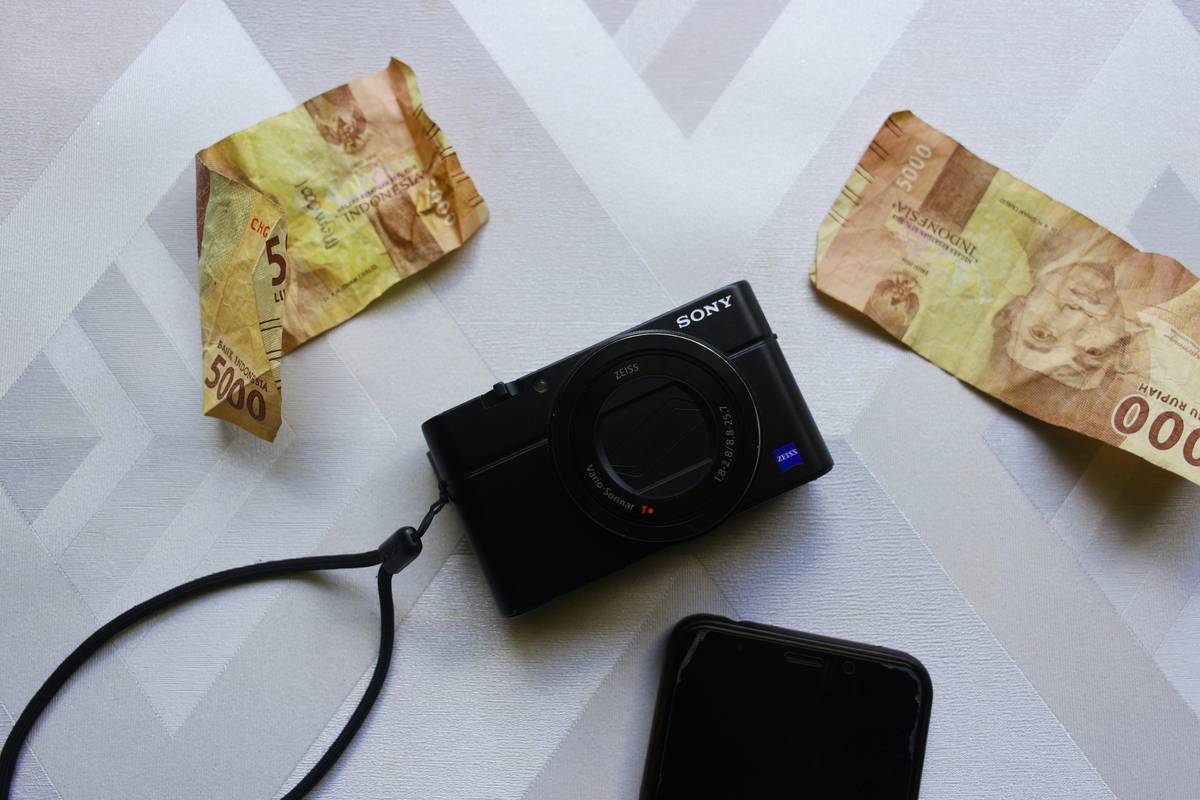
I learned this the hard way when my Sony A7IV failed after 13 months. The manufacturer’s warranty was done, but my Chase Sapphire Reserve should’ve kicked in—for 24 months total. Except Sony classified it as “professional-grade,” making it ineligible. No reimbursement. That mistake cost me more than a year’s worth of annual fees.
Step-by-Step Guide to Claiming Coverage
1. Confirm Your Card Offers Extended Warranty
Not all cards do. Premium travel or cash-back cards from Chase, Citi, and Capital One typically include it. Check your Chase Benefits Guide or call the number on the back of your card.
2. Verify the Camera Qualifies as “Eligible Cameras”
Generally, consumer models under $5,000 retail price qualify. Professional cinema cameras, drones with cameras, or security systems usually don’t. When in doubt, assume it’s excluded unless explicitly listed as covered.
3. File Within the Deadline Window
Most programs require claims within 60–90 days of failure. Delays = automatic denial. Document the malfunction early—even a short video helps.
4. Submit Required Documentation
You’ll need: original receipt, credit card statement showing full payment, manufacturer’s warranty info, and a repair estimate or proof of irreparable damage.
Best Practices to Keep Your Claim Approved
- Pay 100% with your credit card. Even using $1 from another source voids coverage.
- Avoid the “terrible tip”: Don’t assume Amazon third-party sellers count—they often don’t. Buy direct from authorized retailers.
- Register your product with the manufacturer ASAP—it proves ownership timeline.
- Save digital copies of everything. Cloud storage beats shoeboxes any day.
- Don’t modify or jailbreak your camera. Tampering voids both original and extended warranties.
Real-World Examples That Prove It Works
Last year, a reader named Maya used her Citi Premier Card to buy a Canon EOS R50 ($699). At 14 months, the shutter mechanism failed. She filed a claim with Citi within 30 days, submitted her receipt and a $220 repair quote, and received a $699 reimbursement—full replacement value—within three weeks. Why? Because the R50 is clearly a consumer model, purchased new, paid in full, and used personally.
Contrast that with Mark, who bought a Blackmagic Pocket Cinema 6K Pro ($2,500) with his Amex Gold. When it overheated during a wedding shoot, Amex denied his claim, citing “commercial-use equipment exclusion.” Always check your card’s exclusions list—Amex publishes theirs online.
FAQs About Credit Card Extended Warranty & Cameras
Are refurbished or used cameras considered eligible cameras?
No. Nearly all credit card programs require brand-new, unused items purchased from authorized retailers.
Does the extended warranty cover accidental damage like drops or spills?
Generally, no. Coverage is for mechanical or electrical failures—not user-caused damage. For that, you’d need separate purchase protection or insurance.
Can I combine manufacturer warranty + credit card extended warranty?
Yes—that’s the whole point. The credit card warranty kicks in after the original expires, often adding 12 months of coverage.
What if I bought my camera during a Black Friday sale?
Sales are fine—as long as it’s new and from an eligible retailer. Discounted price doesn’t affect eligibility.
Do international purchases qualify as eligible cameras?
Sometimes. Most U.S.-issued cards only cover purchases made in the U.S. Check your guide or call customer service before buying abroad.
Where can I learn more about Rinnaigz’s approach to financial transparency?
We walk the talk—see our full methodology and team credentials on our About Us page. And if you’re sharing personal details during a claim, rest assured we honor your privacy per our Privacy Policy.
Extended warranties aren’t magic—but they’re massively powerful when you play by the rules. Know what counts as eligible cameras, pay fully with the right card, and document obsessively. Still unsure if your gear qualifies? We’ve helped hundreds navigate these murky terms. Contact us—we’ll review your receipt for free.
Remember: the best camera insurance isn’t luck. It’s reading the fine print before the shutter breaks.