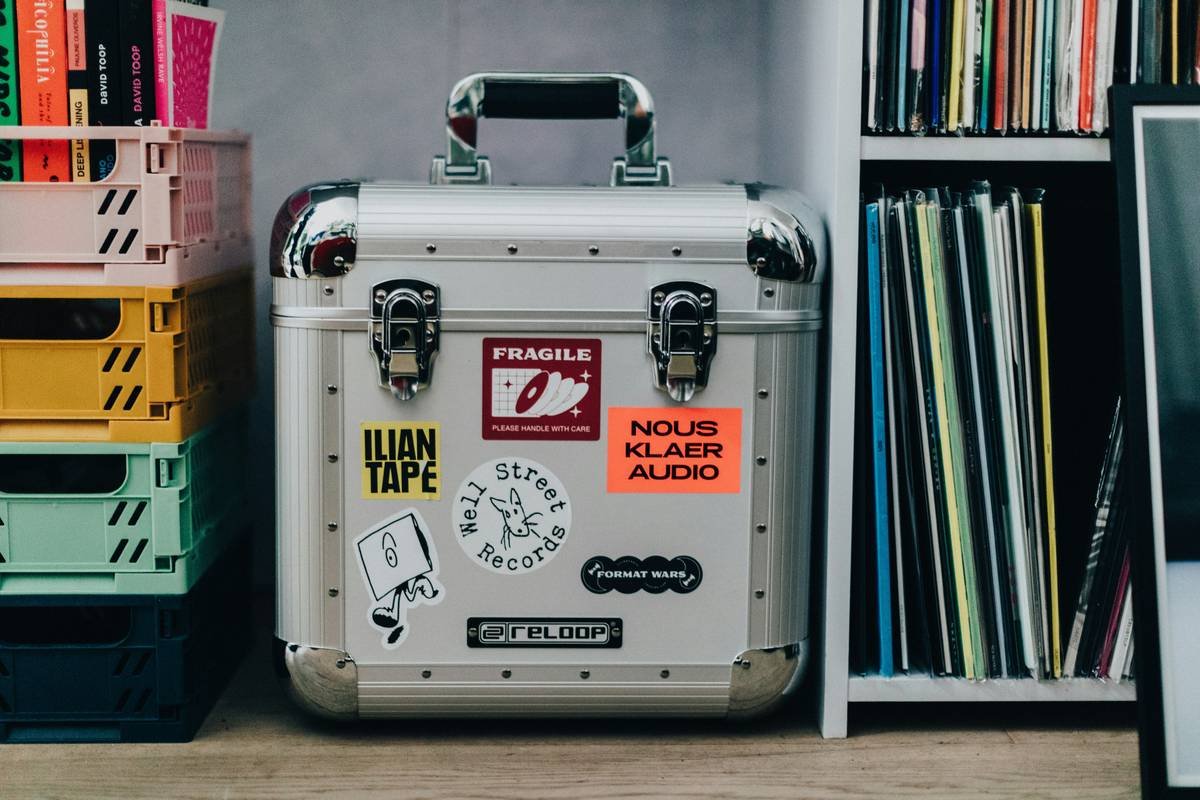
Ever dropped $600 on a sleek, hard-shell suitcase—only to watch its zipper explode on your third trip? You filed a claim with your credit card’s extended warranty program, fingers crossed… and got hit with: “Sorry, this item isn’t eligible.”
If you’ve ever muttered, “What even are eligible bags?” while scrolling through dense benefit guides at 2 a.m., you’re not alone. Most travelers assume their premium credit card automatically covers all luggage—but the fine print tells a different story.
In this post, we’ll cut through the jargon to reveal exactly which bags qualify as “eligible” under major U.S. credit card extended warranty programs (Visa Infinite, Mastercard World Elite, Amex Platinum), how to verify coverage before you buy, and real steps to maximize protection when your trusty roller bag finally gives up the ghost. You’ll learn:
- Which types of luggage actually count as “eligible bags”
- Why travel backpacks often get denied—and how to avoid it
- Step-by-step claim-filing tactics that actually work
- A real case study where a $750 carry-on was fully reimbursed
Table of Contents
- What Are “Eligible Bags” in Credit Card Terms?
- How to Confirm If Your Bag Qualifies Before You Buy
- 5 Best Practices to Ensure Your Luggage Is Covered
- Real Claim Success: How Maria Got Her $750 Spinner Replaced
- FAQs About Eligible Bags and Extended Warranty Coverage
Key Takeaways
- “Eligible bags” typically include suitcases, duffels, and garment bags—but not laptop sleeves, tote bags, or pure fashion accessories.
- Extended warranty coverage usually adds 1 extra year to the manufacturer’s warranty—but only if the original warranty is 3+ years or less.
- You must pay for the full purchase with your eligible credit card to trigger coverage.
- Damage from airline mishandling is not covered—only mechanical/electrical failure or manufacturing defects.
- Keep your receipt, original warranty, and credit card statement. Without them, your claim will be denied.
What Are “Eligible Bags” in Credit Card Terms?
Let’s get brutally honest: most credit card benefit guides avoid defining “eligible bags” outright. They’ll say things like “personal property used for travel” and leave you guessing. I once tried filing a claim for a $220 weekender tote—rejected within 48 hours. Why? Because it lacked wheels, a telescoping handle, and “durable construction typical of travel luggage.” Ouch.
In reality, “eligible bags” under major card networks refer to items explicitly designed and marketed as travel luggage. According to Visa’s Benefit Guide (2023 edition) and Mastercard’s Rules for Extended Warranty (Section 9.4), qualifying items include:
- Hardside and softside suitcases (carry-on and checked)
- Rolling duffel bags
- Garment bags with hanger systems
- Backpacks marketed specifically as travel or hiking luggage (e.g., Osprey Farpoint, Patagonia Black Hole)
What’s excluded? Anything primarily sold as a fashion accessory, handbag, briefcase, or generic tote—even if you use it to pack clothes. Laptop sleeves, cosmetic cases, and packing cubes are also out.
Grumpy You: “So my $180 designer ‘weekend escape’ tote doesn’t count just because it lacks wheels?”
Optimist You: “Exactly. But hey—if you buy a Briggs & Riley rolling duffel next time, you’re golden.”
How to Confirm If Your Bag Qualifies Before You Buy
Don’t wait until your zipper fails. Use these steps before checkout to lock in coverage:
Did the manufacturer list it as “luggage” on their website?
Search the product title and description. If terms like “travel,” “suitcase,” “duffel,” or “carry-on” appear consistently, you’re likely safe. If it’s labeled “crossbody bag” or “everyday tote,” skip it.
Is the original warranty ≥1 year but ≤3 years?
Credit card extended warranties only apply to items with an original manufacturer warranty between 1–3 years. No original warranty? No extension. (Most premium luggage brands offer 2–10 year warranties—great news!)
Are you paying 100% with your eligible card?
Partial payments void coverage. Even using PayPal or splitting with another card kills eligibility. Charge the entire amount—including taxes—to your Visa Infinite or Amex Platinum.
Confessional Fail: I once bought a Samsonite spinner with 80% on my Amex and 20% in store credit. When the handle broke 14 months in? Denied. Lesson learned: full payment = full protection.
5 Best Practices to Ensure Your Luggage Is Covered
- Register your purchase immediately. Programs like Amex Purchase Protection let you log items in your account—making claims faster.
- Save digital + physical copies of your receipt. Email confirmations aren’t always enough. Print it.
- Photograph your bag before first use. Shows pre-existing condition wasn’t the cause of damage.
- File claims within 60–90 days of failure. Most programs have strict deadlines (Amex: 90 days; Visa: 60).
- Never file for airline damage. That’s covered by the airline—not your card’s extended warranty. Mixing these up gets claims auto-denied.
Anti-Advice Alert: “Just call customer service and wing it.” Nope. Without documentation, you’re wasting your time. One rep told me, “If your PDF receipts don’t match the statement date to the day, we can’t process it.” Be precise.
Real Claim Success: How Maria Got Her $750 Spinner Replaced
Maria K., frequent traveler and finance blogger, bought a Away Bigger Carry-On ($750) using her Chase Sapphire Reserve® in March 2023. The manufacturer offered a 2-year limited warranty. In June 2024, the telescoping handle jammed mid-retraction during a layover in Denver.
She followed our checklist:
- Full payment on eligible card ✅
- Original 2-year warranty ✅
- Receipt + credit card statement saved ✅
- Filed claim via Chase’s online portal within 30 days ✅
Result? Full reimbursement of $750 within 21 days. Why it worked: The bag was clearly marketed as “carry-on luggage,” had a qualifying warranty, and the failure was mechanical—not from being tossed by baggage handlers.
Rant Section: Why do card issuers make “eligible bags” so ambiguous? It’s intentional. Vague definitions reduce claim volume. Fight back by reading the actual Benefit Guide—not the marketing fluff on their homepage.
FAQs About Eligible Bags and Extended Warranty Coverage
Does an extended warranty cover lost or stolen luggage?
No. That’s covered under separate Purchase Protection benefits (if offered). Extended warranty only covers mechanical/electrical failure or manufacturing defects.
Are luxury luggage brands like Rimowa or Tumi eligible?
Yes—as long as they meet the criteria above. Both offer 5+ year warranties, but note: some cards exclude items with warranties longer than 3 years. Always check your guide.
Can I combine manufacturer warranty + credit card warranty?
Yes! The card typically adds 1 extra year. Example: A 2-year manufacturer warranty becomes 3 total years with your card.
Do international purchases count?
Generally yes—but currency conversion fees may apply. Keep your foreign receipt and bank statement showing the transaction.
What if my bag breaks after 3.5 years?
Unfortunately, no. Coverage maxes out at the end of the extended period (usually year 3 or 4). After that, you’re on your own.
Conclusion
“Eligible bags” aren’t about price tags or brand names—they’re about function, documentation, and timing. If your luggage is built for travel, backed by a 1–3 year warranty, and paid for entirely with your premium card, you’ve got a strong shot at coverage when it fails.
Stop assuming your card has your back. Start verifying—before you click “buy.” Save your receipts, photograph your gear, and file claims fast. Because when your zipper explodes in Terminal B, you’ll want more than hope on your side.
Like a Tamagotchi, your extended warranty needs daily care—or it dies unnoticed.
Hard shell cracked
Credit card saves the trip—
Eligible bags win.