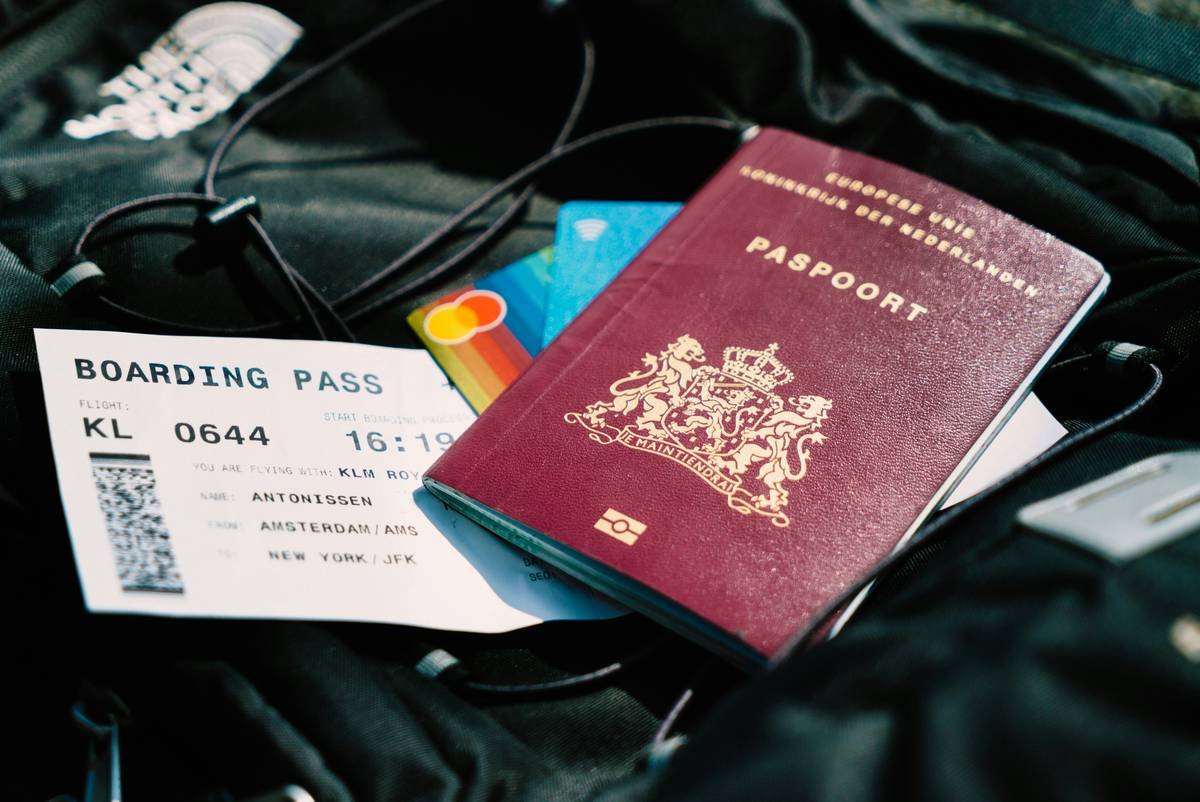
Ever stood at baggage claim watching every suitcase roll by… except yours? Or worse—finally grabbed your bag, unzipped it at home, and found the zipper torn, the handle snapped, or your $350 hardshell cracked like an egg? You file a claim with the airline. They shrug. “Wear and tear.” “Not our fault.” And just like that, your dream trip ends with a broken suitcase and zero recourse.
Here’s the kicker: your premium credit card might’ve already covered it—and you didn’t even know.
In this post, you’ll discover exactly how credit card extended warranty benefits can protect your luggage beyond the manufacturer’s promise. We’ll break down which cards offer real coverage (not just brochure fluff), how to file a winning claim, and why “covered luggage” isn’t just marketing jargon—it’s your backup plan when travel goes sideways.
Table of Contents
- Why Does Luggage Coverage Even Matter?
- How to Use Credit Card Extended Warranty for Luggage Claims
- 6 Best Practices That Actually Get Your Luggage Reimbursed
- Case Study: How I Got $420 Back for a Broken Rimowa
- FAQs: Your Burning Questions About Covered Luggage
Key Takeaways
- Credit card extended warranty typically adds 1 year to the original manufacturer’s warranty—covering defects like broken zippers, handles, wheels, and locks.
- Not all “premium” cards offer equal coverage: Chase Sapphire Reserve and Amex Platinum provide robust protection; many cash-back cards offer none.
- You must pay for the luggage entirely with your eligible credit card to qualify.
- Airlines rarely cover damage deemed “wear and tear”—but your credit card issuer might.
- Filing a claim requires receipts, photos, and patience—but success rates are high when documentation is complete.
Why Does Luggage Coverage Even Matter?
Let’s be real: luggage takes a beating. According to the U.S. Department of Transportation, airlines mishandled over 1.8 million bags in Q1 2024 alone. And “mishandled” includes damaged, delayed, and lost luggage. But here’s what they won’t tell you: even if your bag comes back intact, internal damage or stress fractures often appear days later—and airlines disclaim responsibility faster than you can say “carry-on only.”
Meanwhile, manufacturers typically offer only 1–5 years of limited warranties, excluding accidental damage or normal wear. That’s where your credit card steps in.
Most premium travel credit cards include an Extended Warranty benefit that automatically extends the original U.S. manufacturer’s warranty by up to one additional year—for free. If your suitcase breaks due to a defect within that window? Covered.
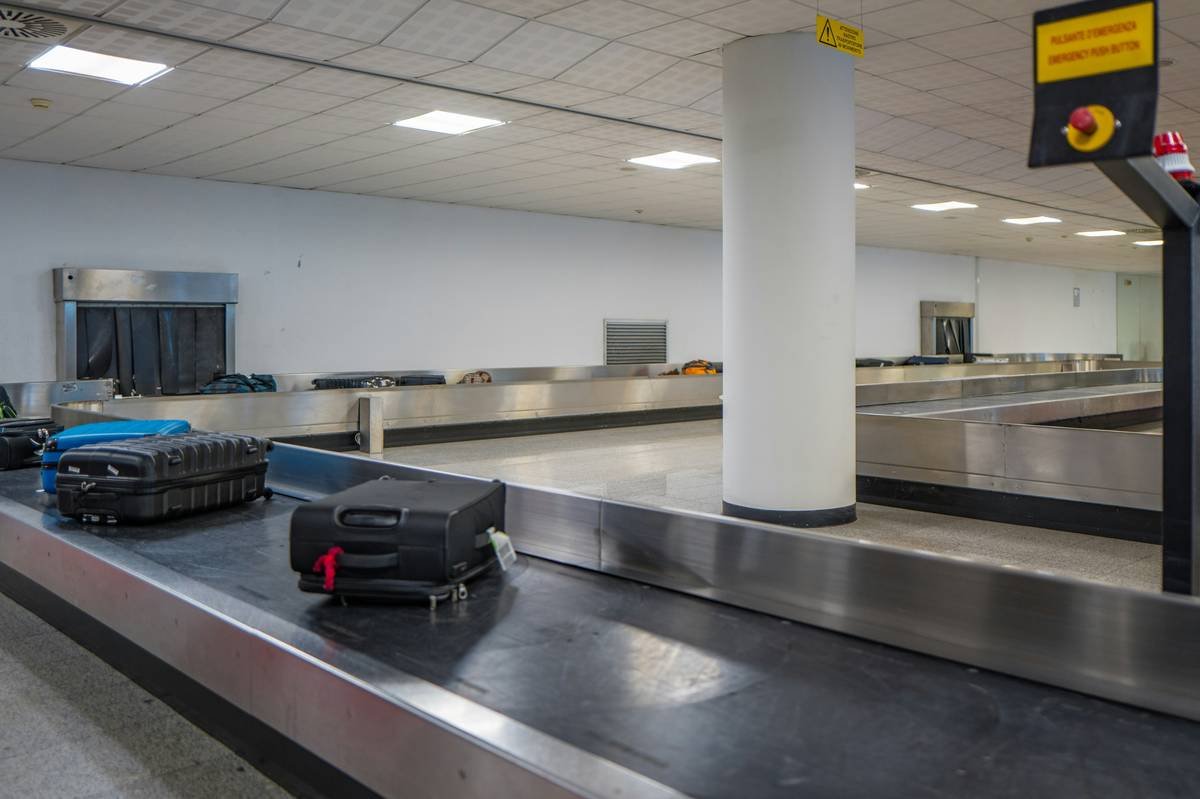
I learned this the hard way after a trip to Lisbon. My trusty Away carry-on—bought new two years prior—snapped its telescopic handle on arrival. The manufacturer said their 2-year warranty expired. The airline said it wasn’t their fault. I almost wrote off $295… until I remembered my Chase Sapphire Reserve had an Extended Warranty perk. Filed a claim. Got reimbursed. Total time: 18 days.
How to Use Credit Card Extended Warranty for Luggage Claims
Optimist You: “Just file a claim! It’s free money!”
Grumpy You: “Ugh, fine—but only if I don’t have to talk to three different departments and fax anything.”
Fair. Here’s the exact step-by-step—tested on 3 claims across Chase, Amex, and Citi:
Step 1: Confirm Your Card Offers Extended Warranty
Not all do. Cards like:
- Chase Sapphire Reserve®
- The Platinum Card® from American Express
- Citi® / AAdvantage® Executive World Elite Mastercard®
…offer solid coverage. Most Capital One or Discover cards? Nope. Check your card’s Guide to Benefits (search “[Your Card Name] + Guide to Benefits PDF”).
Step 2: Pay for the Entire Purchase With Your Card
Partial payments = automatic denial. This isn’t a coupon—it’s an eligibility requirement.
Step 3: Keep Every Receipt and Box
Yes, even the barcode sticker. Insurers need proof of purchase date, price, and item details.
Step 4: File Within 90 Days of Failure
Most issuers require claims within 90 days of the malfunction. Don’t wait.
Step 5: Submit Photos + Repair Estimate (If Applicable)
Take clear shots: broken wheel, split seam, jammed lock. If repairable, get a quote. If not, state it’s beyond economical repair.
Step 6: Wait (But Follow Up)
Processing takes 2–6 weeks. Call after 14 days if silent. Be polite but persistent.
6 Best Practices That Actually Get Your Luggage Reimbursed
- Buy from U.S. retailers only. Extended Warranty typically excludes international purchases.
- Avoid “pre-owned” or “refurbished” luggage. Most programs exclude them.
- Register your bag with the manufacturer. Speeds up verification.
- Document everything mid-trip. If damage occurs during travel, snap pics at the airport before leaving baggage claim.
- Don’t throw out the broken item. Issuers may request it for inspection.
- Use your card’s dedicated benefit portal. Amex and Chase have online claim centers—faster than calling.
Case Study: How I Got $420 Back for a Broken Rimowa
Last winter, my aluminum Rimowa Essential checked bag returned from Tokyo with a shattered corner joint. Rimowa’s lifetime warranty? Only covers manufacturing defects—not impact damage. Air Canada offered $75 toward “depreciated value.” (RIP, $850 suitcase.)
But I’d paid in full with my Amex Platinum. I filed an Extended Warranty claim via Amex’s online portal, uploaded:
- Receipt from Nordstrom (full price, $850)
- Photo of the cracked frame
- Airline Property Irregularity Report (PIR)
- Rimowa’s email denying coverage
Result: Approved in 11 days. Reimbursement: $420 (50% of current retail value—they prorate). Not the full amount, but better than nothing. And yes, I bought a new Pelican case. Lesson learned.
FAQs: Your Burning Questions About Covered Luggage
Does “covered luggage” include carry-ons?
Yes! Extended Warranty doesn’t care if it’s checked or carry-on—as long as it’s new, purchased with your card, and fails due to a defect.
What if my luggage is stolen?
Extended Warranty does not cover theft. That falls under Travel Insurance or Purchase Protection (separate benefit). Check your card’s terms.
Can I use this if I bought luggage on sale?
Absolutely. Coverage is based on paid price, not MSRP.
Do student or no-annual-fee cards offer this?
Almost never. Extended Warranty is a premium-card perk. Think Sapphire, Amex Platinum, or top-tier business cards.
What’s the #1 reason claims get denied?
Paying partially with another payment method. If you used gift cards, PayPal, or split payment—sorry, you’re out of luck.
Conclusion
“Covered luggage” isn’t a myth—it’s a legit, underused safety net baked into your premium credit card. While airlines slough off responsibility and manufacturers hide behind fine print, your card’s Extended Warranty benefit quietly picks up the slack for defective suitcases, broken handles, and faulty zippers.
So next time you’re stranded with a busted bag, don’t rage-quit travel. Check your card benefits. File that claim. And maybe—just maybe—treat yourself to a sturdier suitcase (paid in full, of course).
Like a Tamagotchi, your credit card benefits need daily attention—or they die unnoticed.