Ever dropped your favorite necklace in the sink, only to watch it shatter into pieces? Or lost sleep wondering if that pricey bracelet will hold up past the manufacturer’s warranty? We’ve all been there. But what if I told you your credit card might already have your back—even on jewelry repairs and replacements? Let’s dig into how “covered jewelry” under a credit card extended warranty works and how you can make it work for YOU.
Table of Contents
- Why Extended Warranties Matter for Jewelry
- How Does a Credit Card Extended Warranty Work?
- Step-by-Step Guide to Filing a Claim
- Tips to Maximize Benefits for Covered Jewelry
- Real-Life Success Stories with Covered Jewelry Claims
- FAQs About Covered Jewelry Under Credit Card Warranties
Key Takeaways
- Credit cards often include extended warranties that cover costly jewelry repairs or replacements.
- Always save receipts and keep original documentation for successful claims.
- Not all items are eligible—know which types of jewelry qualify as “covered jewelry.”
- Avoid this rookie mistake: Don’t toss out packaging prematurely; insurers may need proof!
Why Extended Warranties Matter for Jewelry
Here’s the deal: If you’ve spent big bucks on an engagement ring, heirloom pearls, or just something sparkly to spoil yourself, you want peace of mind. And no one likes discovering their $5,000 diamond earrings aren’t protected after losing a stone. That’s where credit card extended warranties swoop in like budget-saving superheroes.
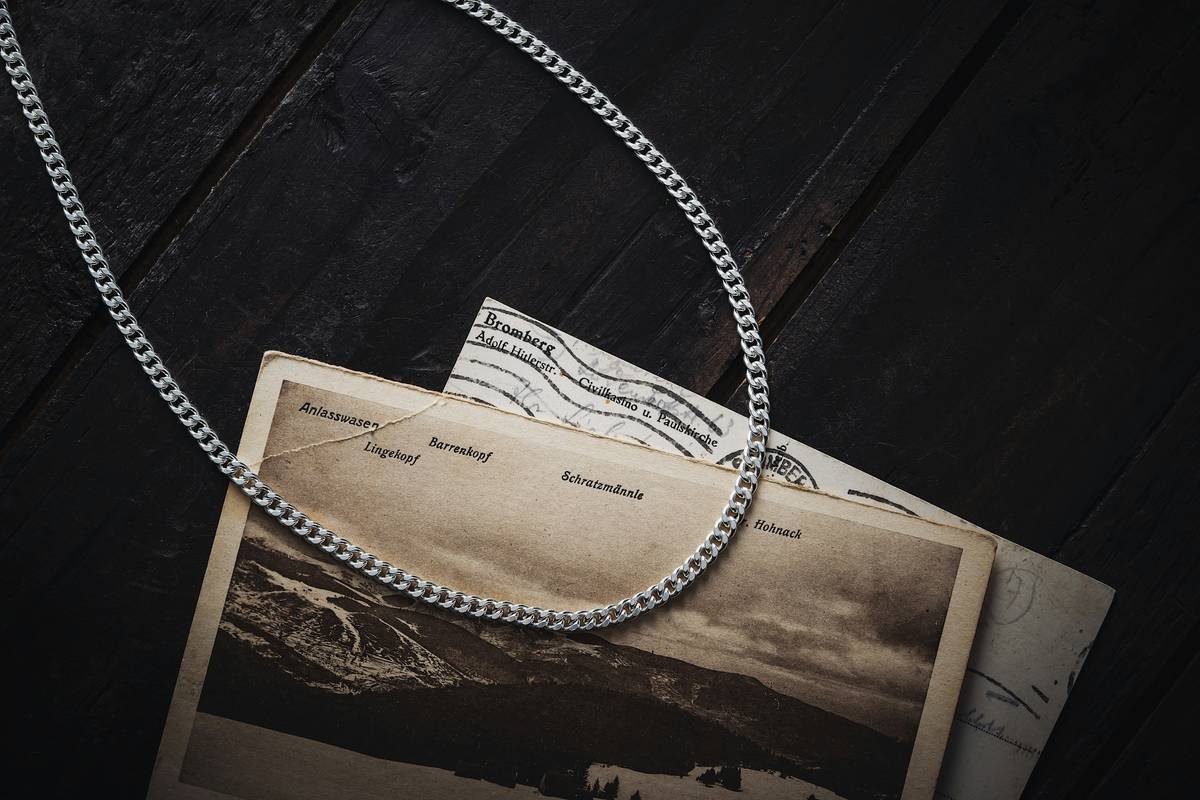
A confessional fail I must share: Once, I accidentally ran my gold chain through a paper shredder (yes, really). It wasn’t until months later when I tried buying a new one that I realized my credit card could’ve replaced it FOR FREE thanks to its extended warranty perk. Facepalm moment!
How Does a Credit Card Extended Warranty Work?
Lemme break it down:
- Purchase Eligibility: Most major credit cards automatically extend the manufacturer’s warranty period—usually doubling it—for purchases made using the card.
- Coverage Details: The specifics vary by issuer, but common categories like “covered jewelry” typically fall under these plans.
- Filing Deadline: Keep track of deadlines! You usually have a limited time frame post-purchase to start a claim.
Optimist You: *‘This sounds too good to be true!’*
Grumpy Me: ‘True—but read the fine print, folks.’
Step-by-Step Guide to Filing a Claim
- Check Coverage: First things first—review your credit card benefits guidebook. Some issuers explicitly list which “covered jewelry” qualifies.
- Gather Documentation: Hang onto the receipt, original warranty terms, repair estimates, and any other supporting evidence like photos.
- Contact Customer Service: Call your credit card provider’s benefits hotline ASAP. They’ll guide you through next steps.
- Submit Proof: Mail or upload digital copies of all required documents.
- Stay Patient: Expect processing times ranging from weeks to months, depending on complexity.
Tips to Maximize Benefits for Covered Jewelry
- Register Purchases Immediately: Many programs require registration within 30–60 days of purchase.
- Know Limits: There’s usually a cap per item—say, $1,000 max—for “covered jewelry.”
- Keep Packaging: Insurers may ask for the original box—it proves authenticity.
- Beware Terrible Tip #1: NEVER assume luxury brands don’t offer coverage themselves. Always compare policies before jumping straight to your credit card.
- Audit Policies Annually: Issuers change terms frequently, so stay updated.
Real-Life Success Stories with Covered Jewelry Claims
A friend recently filed a claim on her vintage brooch valued at $800. A single diamond had fallen out during cleaning. After submitting photos, receipts, and proof of prior repairs via her Chase Sapphire Preferred card, she received reimbursement within four weeks. Moral of the story? Always investigate your options—even quirky vintage pieces count as “covered jewelry.”
Sounds like winning the lottery without spending an extra dime, right?
FAQs About Covered Jewelry Under Credit Card Warranties
- What exactly counts as “covered jewelry”?
- Jewelry purchased with your credit card generally falls under the policy unless excluded explicitly (e.g., custom designs).
- Do I need special insurance besides my credit card?
- Nope—if your piece is covered under the extended warranty, additional gemstone-specific coverage isn’t necessary.
- How long does a typical claim process take?
- Anywhere from 4–12 weeks, depending on complexity and responsiveness from service reps.
Conclusion
And there we have it—your ultimate guide to getting your jewelry covered under a credit card extended warranty. Whether it’s diamonds, pearls, or statement pieces, now you know the ropes. Save those receipts, follow the filing steps, and let your credit card do the heavy lifting.
Remember: While credit card perks are chef’s kiss convenient, they come with caveats worth double-checking. So go forth, accessorize confidently, and rest easy knowing your jewelry is protected.
Oh, and here’s a little haiku to wrap things up:
Diamonds shine brighter
When cards whisper, “We’ve got you.”
Peace of mind restored.