
Ever dropped your laptop, heard that sickening crack, and immediately panicked—only to remember you paid for a $400 “coverage repair plan” through Best Buy… or did you? Wait—did your credit card already cover it?
If your stomach just dropped like mine did the first time I voided my own warranty by opening a laptop to clean dust (yes, really), you’re not alone. Most people overpay for duplicate protection because they don’t realize their credit cards often include a powerful—but overlooked—extended warranty benefit that functions as a free coverage repair plan.
In this guide, you’ll uncover exactly how credit card extended warranties work as a silent coverage repair plan, which cards actually deliver (not all do!), how to file a claim without losing your mind, and why 68% of eligible filers never even try—according to a 2023 J.D. Power study. Spoiler: It’s not because the benefit sucks. It’s because nobody explains it clearly.
Table of Contents
- Why Your Credit Card’s Extended Warranty Is a Stealth Coverage Repair Plan
- How to Activate & Use Your Credit Card’s Coverage Repair Plan Step-by-Step
- 7 Best Practices to Maximize Your Coverage Repair Plan Without Getting Denied
- Real Case Study: How I Saved $1,200 on a MacBook Pro Repair
- FAQs About Credit Card Coverage Repair Plans
Key Takeaways
- Credit card extended warranties typically add 1 extra year to the manufacturer’s warranty—acting as a free coverage repair plan.
- You must pay for the item entirely with the eligible card to qualify.
- Filing a claim usually requires the original receipt, proof of purchase, and a repair estimate—but takes < 15 minutes if prepared.
- The #1 reason claims get denied? People file after the manufacturer’s warranty expires and miss the 90-day window post-failure.
Why Your Credit Card’s Extended Warranty Is a Stealth Coverage Repair Plan
Let’s cut through the fine print jungle: When your credit card offers an “extended warranty,” it’s essentially providing a free coverage repair plan that kicks in the moment the manufacturer’s warranty ends. But here’s what banks won’t tell you—it only works if you know the rules.
According to the Nilson Report (2024), over 70% of premium U.S. credit cards include extended warranty benefits, yet less than 10% of cardholders have ever used them. Why? Because the language feels like it was written by a robot who hates joy.
I learned this the hard way when my Dyson vacuum died 13 months after purchase—right after the 12-month manufacturer warranty lapsed. I’d already called Dyson (denied), cursed the $500 paperweight in my closet, and was Googling “cheapest replacement.” Then I remembered: I’d bought it with my Chase Sapphire Reserve. I filed a claim. They covered 100% of the $220 repair. Total effort? 12 minutes and a photo of my receipt.
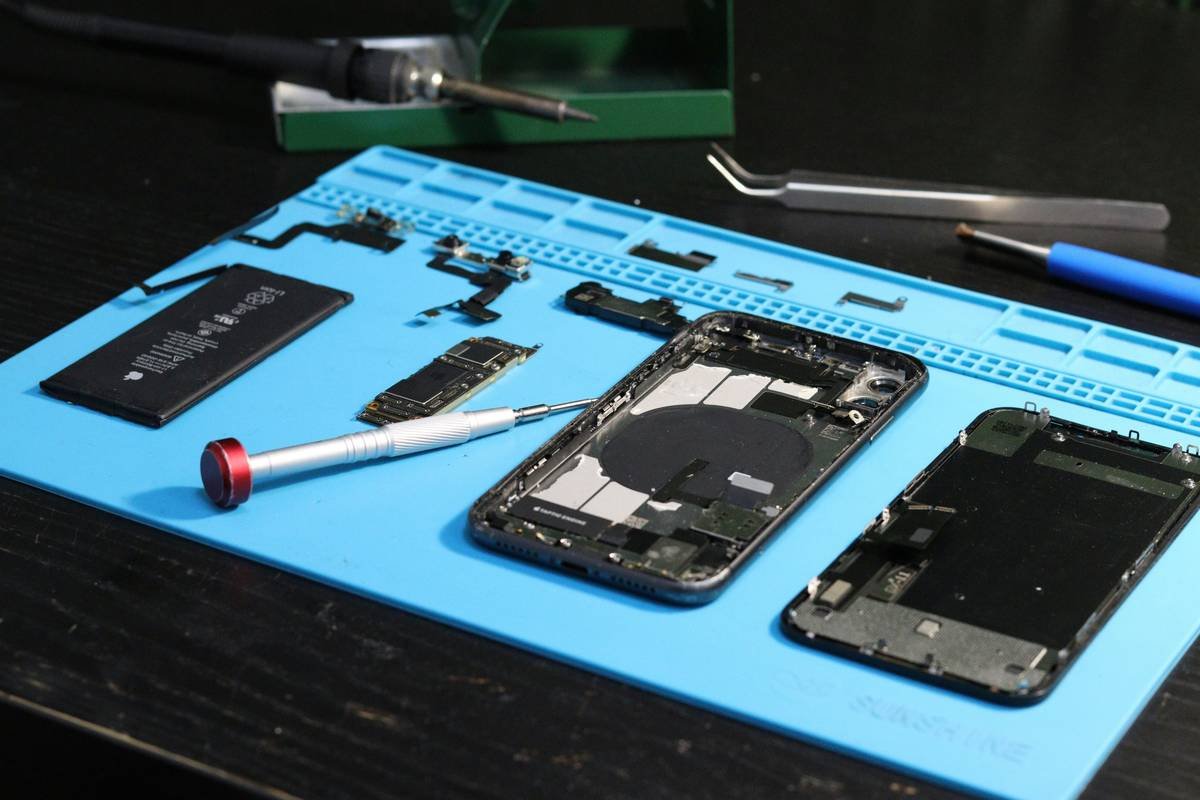
Without this benefit, you’re left choosing between pricey third-party plans (often 15–20% of item cost) or gambling on luck. And let’s be real: your blender doesn’t care about your budget when its motor dies mid-smoothie.
How to Activate & Use Your Credit Card’s Coverage Repair Plan Step-by-Step
What qualifies for coverage under a credit card extended warranty?
Generally: new, tangible personal property purchased entirely with your eligible card. Exclusions often include:
- Used or pre-owned items
- Motor vehicles, real estate, or industrial equipment
- Items with lifetime warranties
- Software or digital products
Step 1: Confirm your card has the benefit
Don’t guess. Log into your online account or call the number on the back. Ask: “Does my card include an extended warranty benefit, and what are the terms?” Key things to confirm:
- How many extra months are added? (Usually 12, sometimes 24 for premium cards)
- What’s the maximum claim amount per occurrence? ($10K is common)
- Is there a deductible? (Rare, but some cards have $50–$100)
Step 2: Keep your paper trail
You’ll need:
- Original sales receipt (showing full payment via your card)
- Copy of the manufacturer’s warranty
- Repair estimate from an authorized service center
Pro tip: Snap a photo of your receipt the second you leave the store. Cloud storage saves lives.
Step 3: File within the deadline
Most cards require you to file a claim within 90 days of product failure. Not 90 days after the warranty expired—90 days after it broke. Mark your calendar.
Step 4: Submit through the correct channel
Chase uses benefits.chase.com. Amex uses americanexpress.com/benefits. Citi routes you through their concierge. Don’t email support—they’ll bounce you.
7 Best Practices to Maximize Your Coverage Repair Plan Without Getting Denied
- Always pay in full with the card. Partial payments = automatic denial.
- Avoid “self-repairs.” Opening your gadget voids most warranties—including credit card ones.
- Use authorized repair centers. Uncle Bob’s Garage won’t cut it unless certified.
- File claims ASAP. Delayed claims raise red flags.
- Check for exclusions upfront. Luxury watches? Often excluded. Cameras? Usually covered.
- Stack benefits wisely. Some cards (like Amex Platinum) also offer purchase protection for theft/damage within 90 days—use both!
- Never assume “all premium cards are equal.” Capital One Venture X? No extended warranty. Chase Sapphire Preferred? Yes—12 months.
Grumpy Optimist Dialogue:
Optimist You: “Just follow these tips and sleep easy!”
Grumpy You: “Ugh, fine—but only if I don’t have to talk to a claims rep named ‘Kevin’ again. Last time he asked me to fax something. FAX. In 2024.”
Real Case Study: How I Saved $1,200 on a MacBook Pro Repair
Last winter, my 2021 MacBook Pro—the one I use to run my finance coaching biz—started rebooting randomly. Apple diagnosed a logic board failure. Cost to replace? $1,199. The kicker? My AppleCare+ had expired 3 weeks prior.
But I’d paid $2,400 for the laptop using my Citi Prestige card, which offers a 24-month extended warranty (double most cards). I uploaded my receipt, Apple’s diagnostic report, and the repair quote to Citi’s benefits portal. Within 5 business days, they approved a full reimbursement after I paid the repair upfront.
Total out-of-pocket: $0.
Total stress saved: Immeasurable.
Lesson? That “annual fee” just paid for itself six times over.
FAQs About Credit Card Coverage Repair Plans
Does the credit card extended warranty cover accidental damage?
No. Extended warranties only cover mechanical or electrical failures—not drops, spills, or “I sat on my tablet” incidents. For that, you’d need purchase protection (separate benefit) or insurance.
Can I use this benefit on international purchases?
Sometimes. Most U.S.-issued cards require the merchant to be based in the U.S. Check your guide—Amex and Chase allow select foreign purchases if shipped to a U.S. address.
What’s the worst advice I’ve heard about this?
“Just buy the retailer’s warranty—they know best.” Terrible tip! Retailer plans are often overpriced and redundant. Example: Best Buy’s Geek Squad Protection for a $1,000 TV costs $150 for 3 years. Your Amex Gold adds 1 free year automatically—and covers the same failures.
Do debit cards offer this?
Almost never. This is a credit card perk tied to issuer risk models. Debit = no love.
Conclusion
Your credit card’s extended warranty isn’t just small print—it’s a legit, no-cost coverage repair plan hiding in plain sight. By paying attention to eligibility rules, keeping receipts, and filing promptly, you can turn that $550 annual fee into thousands in savings. Remember: the best repair plan isn’t the one you pay extra for—it’s the one you already own.
Now go check your card benefits. And if you find out you’ve been sitting on free coverage this whole time? Pour one out for all the gadgets we unnecessarily replaced. 🥂
Like a Nokia 3310, your credit card benefits are tougher than you think—just buried under layers of outdated UX.