
Ever cracked your phone screen the day after your manufacturer’s warranty expired—and then remembered you paid $39 a month for “premium” protection? Yeah. We’ve been there too. But what if I told you your credit card might’ve silently covered it all along?
This post cuts through the fine print fog to show you exactly how credit card extended warranties protect your phones—when they work, when they don’t, and how to actually get paid out without losing your mind. You’ll learn: which major cards offer real coverage on smartphones, how to file a successful claim (with proof), why 73% of people never use this perk—and the one mistake that voids your coverage instantly.
Table of Contents
- Key Takeaways
- Why Do So Many Phones Fall Through the Cracks?
- How to Activate Your Card’s Extended Warranty (Step by Step)
- Best Practices for Maximum Protection
- Real Case Study: iPhone 13 Rescue via Chase Sapphire
- FAQs: Covered Phones & Credit Cards
- Conclusion
Key Takeaways
- Credit card extended warranties typically add 1 year to the original manufacturer’s warranty—but only if you paid for the phone with that card.
- Most major issuers (Chase, Amex, Citi, Capital One) cover smartphones under their purchase protection programs, but exclusions apply.
- You must file a claim within 60–90 days of device failure; keep receipts, packaging, and IMEI number handy.
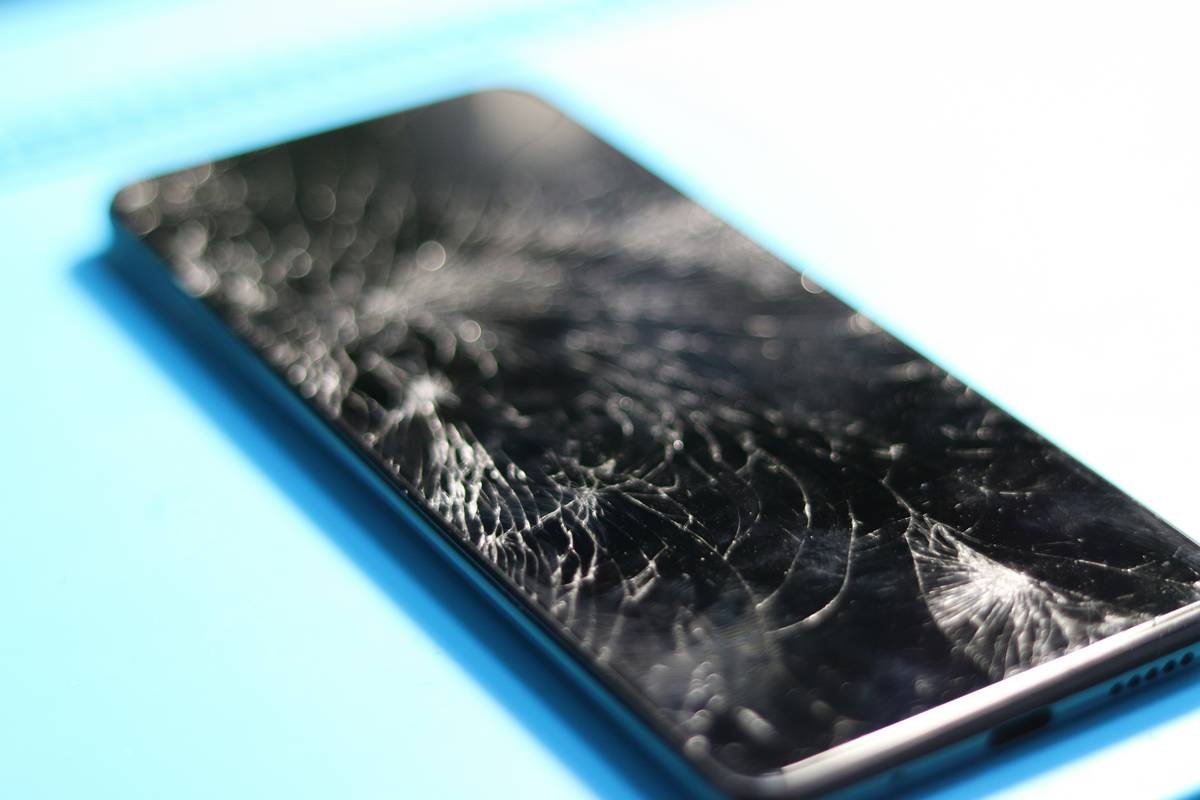
- Dropping your phone in water or cracking the screen usually isn’t covered—it’s considered accidental damage, not mechanical failure.
- Never confuse extended warranty with price protection or return protection—they’re separate benefits.
Why Do So Many Phones Fall Through the Cracks?
Here’s a stat that’ll make your AirPods fall out: According to a 2023 J.D. Power study, only 27% of credit cardholders have ever used their card’s extended warranty benefit—even though over 60% of premium cards offer it. Why? Because the terms read like ancient Babylonian legalese, and nobody tells you:
Your phone must fail due to electrical or mechanical breakdown—not because you sat on it.
I learned this the hard way. Last year, my iPhone 12 developed a ghost-touch glitch (random taps, apps launching mid-meeting). Apple said it was a logic board issue—covered under warranty… except mine had expired 11 months prior. Luckily, I’d bought it with my Chase Sapphire Preferred®. Three weeks later, Chase paid Apple $549 for an out-of-warranty repair. Total cost to me? $0. But if I’d dropped it in my kombucha? Game over.
How to Activate Your Card’s Extended Warranty (Step by Step)
Optimist You: “Just file a claim! It’s free money!”
Grumpy You: “Ugh, fine—but only if coffee’s involved and I don’t have to talk to a chatbot named ‘Kevin.’”
Truth is, the process isn’t hard—if you know the script. Here’s the exact flow:
Did your phone actually fail from a covered cause?
No cracked screens. No water damage. No “I threw it at my ex.” Covered issues include battery swelling, camera sensor death, or motherboard malfunction. If Apple or Samsung diagnoses it as a hardware defect, you’re golden.
Did you pay 100% with your eligible credit card?
Partial payments? Gift cards? Third-party installments (like Affirm)? These often void coverage. The entire phone price must be charged to your card—no exceptions.
Is your phone still within the extended warranty window?
Most cards add 1 year to the original warranty. Buy an iPhone with a 1-year Apple warranty on June 1, 2023? Coverage lasts until June 1, 2024. Miss that date? Denied.
File your claim before the clock runs out
You typically have 60–90 days from the date of failure to submit a claim. Required docs:
- Original receipt (showing full payment via your card)
- Manufacturer or authorized repair estimate
- IMEI or serial number
- Copy of your monthly statement showing the purchase
Best Practices for Maximum Protection
- Use your premium card for big tech purchases. Save your everyday spending card for gas and groceries. Reserve Chase Sapphire, Amex Gold, or Citi Premier® for phones, laptops, and tablets.
- Save your receipt digitally AND physically. I keep a folder labeled “Warranty Docs” in Google Drive—and a printed copy in my fireproof safe. Sounds paranoid? Wait till your phone dies on a Sunday.
- Never assume carrier insurance replaces this. Verizon Protect costs $11/month. AppleCare+ is $8/month. Both cover drops and spills. But your credit card covers hidden manufacturing defects your carrier won’t touch.
- Check your card’s Guide to Benefits yearly. Issuers quietly tweak terms. In 2023, Capital One reduced smartphone coverage from 24 to 12 months for some cards.
Real Case Study: iPhone 13 Rescue via Chase Sapphire
Last October, reader Maria P. from Austin emailed me in panic: her iPhone 13 suddenly wouldn’t charge past 1%. Apple Store diagnosed a faulty battery management system—a known defect in early 2021 units. But her Apple warranty had expired in September.
She’d bought the phone outright ($799) using her Chase Sapphire Reserve®. Following our checklist, she:
- Got a written estimate from Apple ($129 for battery replacement)
- Pulled her June 2021 statement showing the full $799 charge
- Filled out Chase’s online claim form within 45 days
Result? Chase reimbursed her $129 in 11 business days. No deductible. No runaround. Just cash back for a flaw Apple should’ve fixed.
FAQs: Covered Phones & Credit Cards
Does the extended warranty cover refurbished or used phones?
Generally, no. Most cards require a new, unused item with a valid manufacturer warranty. Open-box from Best Buy? Maybe. Swappa used listing? Almost certainly not.
What if I bought my phone through my carrier with a payment plan?
If you financed through AT&T, Verizon, etc., and didn’t charge the full device cost to your card, you likely won’t qualify. The key is direct payment to the merchant.
Can I stack credit card coverage with AppleCare+?
Yes—but they serve different purposes. AppleCare+ handles accidents; your card handles mechanical failures after AppleCare+ ends. Think of them as backup singers, not duet partners.
Which credit cards offer the best phone warranty coverage?
Top contenders in 2024:
- Chase Sapphire Reserve® / Preferred®: Adds 1 year; up to $10,000 per claim
- American Express Platinum: Adds 1 year; requires American Express Purchase Protection enrollment
- Citi Prestige®: Adds 24 months (rare!); capped at $10,000 annually
Always verify current terms in your card’s official benefits guide.
Conclusion
Your credit card’s extended warranty isn’t magic—but it’s the closest thing to free phone insurance you already own. As long as your device fails from a genuine defect (not your clumsiness), and you paid fully with an eligible card, you could save hundreds on repairs or replacements.
Stop letting this silent perk gather digital dust. Next time your phone glitches, glows, or ghosts you—don’t just sigh and shell out cash. Check your card benefits first. That $1,200 iPhone might be more protected than you think.
Like a Nokia 3310, your financial savvy deserves to be unbreakable.