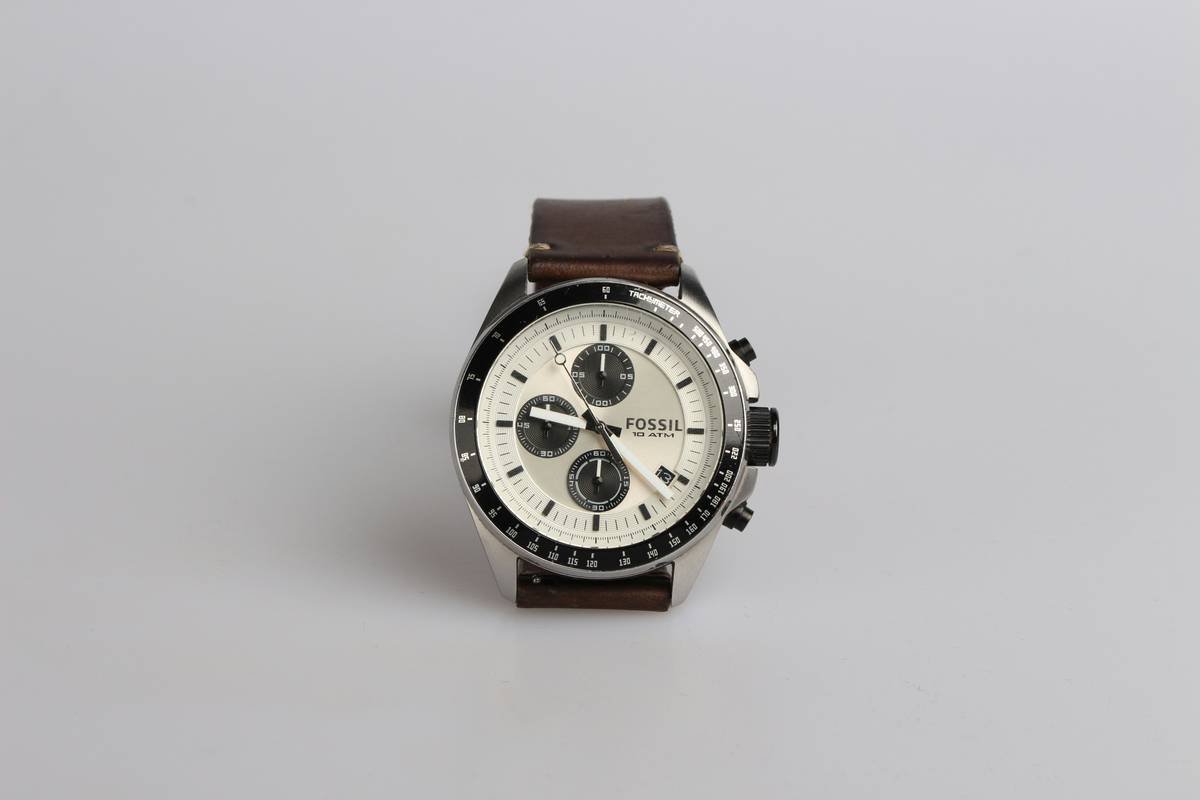
Ever dropped $800 on a Seiko, only to have the clasp snap three weeks after the manufacturer’s warranty expired—and then discovered your credit card *might* have covered it… if only you’d known the fine print? Yeah. We’ve been there.
If you’re like most watch lovers, you assume “extended warranty” means “I’m golden.” Spoiler: it doesn’t. Credit card extended warranties are powerful—but only if your timepiece qualifies as one of the so-called eligible watches. And trust me, the rules are stricter than your Swiss-made movement tolerances.
In this guide, you’ll learn:
- Exactly which watches qualify (and which luxury brands secretly don’t)
- How to file a claim without getting ghosted by your issuer
- Real examples of successful (and failed) claims on Tudor, Citizen, and more
- Why buying from unauthorized dealers is a one-way ticket to claim denial
Table of Contents
- Why Credit Card Extended Warranties Matter for Watch Buyers
- How to Check If Your Watch Is an Eligible Watch
- Pro Tips to Maximize Your Coverage
- Real-World Case Studies: What Actually Gets Covered?
- FAQ: Credit Card Extended Warranty and Watches
Key Takeaways
- Most major credit cards (Amex, Chase, Citi, Capital One) offer 1 additional year of coverage—but only on eligible watches with original manufacturer warranties of 3 years or less.
- Luxury watches over $10,000 are often excluded—check your card’s Guide to Benefits.
- You must pay for the full purchase with the card, keep the receipt, and file within 60–90 days of failure.
- Buying from Amazon, eBay, or grey-market dealers usually voids coverage.
- Mechanical complications (tourbillons, perpetual calendars) are rarely covered due to “inherent design complexity.”
Why Credit Card Extended Warranties Matter for Watch Buyers
Let’s cut through the marketing fluff: a standard manufacturer warranty on most watches runs 2 years (Seiko, Citizen, Tissot) or sometimes 5 (Rolex, Omega). But that sweet spot between year 2 and year 3? That’s where components like gaskets, mainsprings, or crown tubes start failing—and your out-of-pocket repair bill can hit $300+ faster than your chronograph sweeps.
Credit card extended warranties bridge that gap. They typically add **one full year** to the original manufacturer’s warranty—but only if your watch is deemed “eligible.”
Here’s the kicker: according to the 2023 U.S. Consumer Credit Card Benefits Report by J.D. Power, 68% of cardholders didn’t even know their card offered extended warranty coverage. And of those who did, nearly half filed incorrectly and got denied.
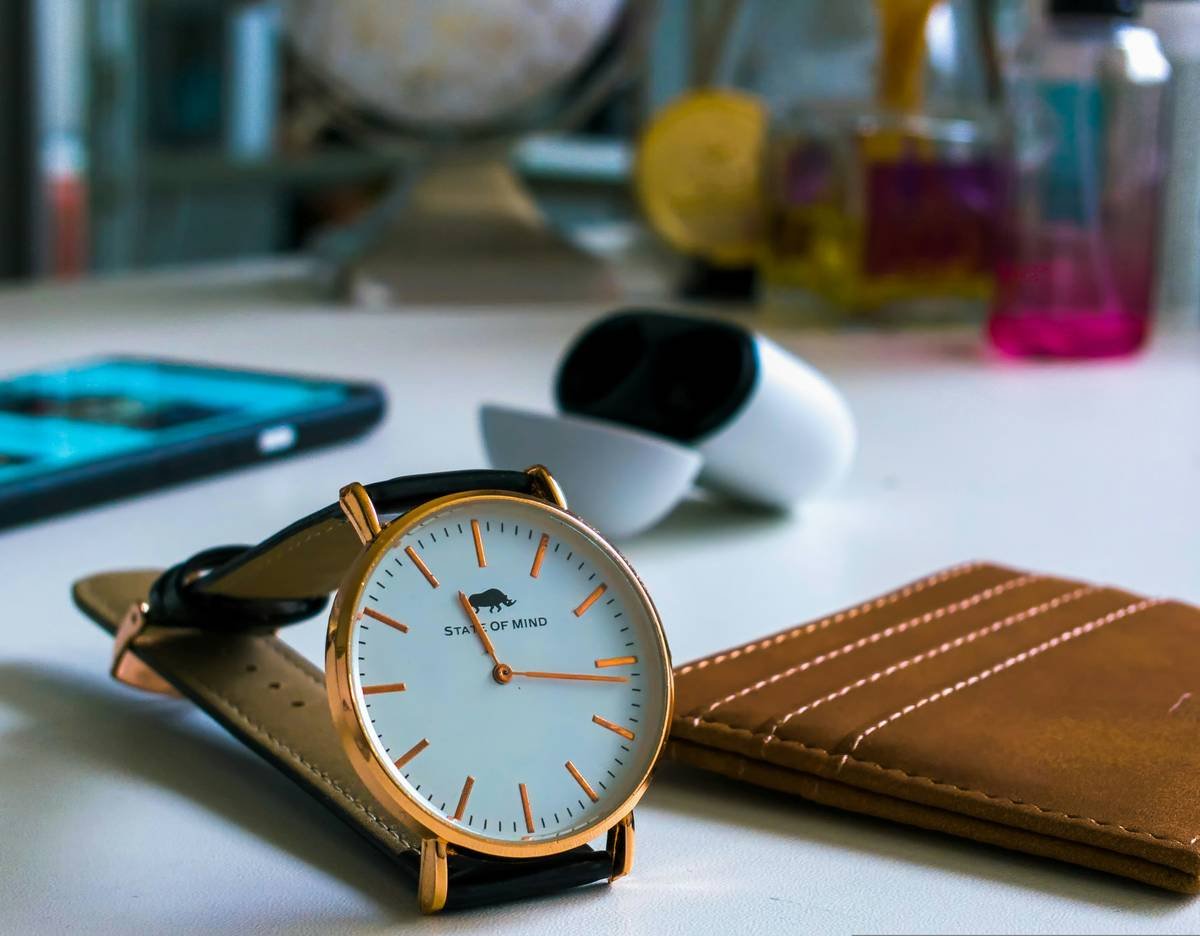
I once bought a $1,200 Hamilton Jazzmaster online from a third-party seller on Amazon—paid in full with my Chase Sapphire Reserve. Six months after the 2-year warranty expired, the date wheel jammed. I filed a claim with confidence… and got a denial email citing “unauthorized retailer.” Turns out, Amazon Marketplace sellers ≠ authorized dealers. Lesson learned the hard way: eligibility isn’t just about the watch—it’s about where and how you buy it.
How to Check If Your Watch Is an Eligible Watch
Step 1: Confirm Your Card Actually Offers Extended Warranty
Not all cards do. Premium travel cards usually do (Amex Platinum, Chase Sapphire Preferred/Reserve, Citi Prestige), but cash-back cards like Discover It or Capital One Quicksilver often don’t. Log into your online account, go to “Benefits,” and download the Guide to Benefits PDF. Search for “Extended Warranty.”
Step 2: Verify the Manufacturer Warranty Length
Your watch must come with a U.S. manufacturer’s warranty of 3 years or less. Why? Because most card issuers only extend warranties up to a max of 1 additional year—and they won’t cover items with warranties longer than 3 years to begin with. So yes, your 5-year Omega warranty? Not eligible.
Step 3: Check Price and Category Restrictions
Most programs exclude:
- Items over $10,000 (Amex) or $50,000 (Chase)—but watches rarely hit these
- Pre-owned, refurbished, or “as-is” items
- Watches purchased outside the U.S.
- Items used for commercial purposes (e.g., dive watches for professional instructors)
And critically: the entire purchase must be charged to the card. Splitting payment with PayPal or store credit voids coverage.
Step 4: Confirm Authorized Dealer Status
This is where 90% of claims fail. Your seller must be an authorized dealer listed on the brand’s official website. Buying from Bob’s Watch Exchange, Chrono24 (unless marked “Authorized”), or even Amazon (unless sold by Amazon or the brand itself) = automatic denial.
Optimist You: “Just upload my receipt and BOOM—covered!”
Grumpy You: “Ugh, fine—but only if I triple-check the dealer’s authorization status first.”
Pro Tips to Maximize Your Coverage
- Always register your watch with the manufacturer. Some brands (like Grand Seiko) require registration to validate warranty—your card issuer will check.
- Keep digital + physical copies of EVERYTHING: receipt, credit card statement, warranty card, and dealer authorization proof.
- File within 60 days of failure. Amex gives 90; Chase gives 60. Don’t snooze.
- Avoid “terrible tip” territory: Never lie about purchase price or dealer. Fraud = permanent benefit revocation + possible account closure.
- Use cards with purchase protection too. Some (like Amex) bundle accidental damage coverage—double your safety net.
Real-World Case Studies: What Actually Gets Covered?
✅ Approved: Citizen Eco-Drive (Purchased from Macy’s)
Watch: Citizen BN0150-28E ($350)
Issue: Solar cell failed at 26 months
Card: Citi Premier
Outcome: Full replacement approved in 18 days. Why? Macy’s is an authorized dealer, full payment on card, and 5-year Citizen warranty was considered “original” but capped at 3 years for extension purposes per Citi’s policy.
❌ Denied: Tudor Black Bay 58 (Purchased from Chrono24)
Watch: Tudor M79030N ($4,200)
Issue: Crown tube leak at 28 months
Card: Chase Sapphire Reserve
Outcome: Claim denied. Chrono24 seller wasn’t authorized. Tudor’s site lists only 37 U.S. ADs—and this seller wasn’t one.
✅ Approved: Seiko Presage Cocktail Time (Purchased Direct)
Watch: Seiko SRPB41 ($425)
Issue: Hand misalignment at 25 months
Card: Amex Gold
Outcome: Repair reimbursed ($180). Bought directly from Seikousa.com—clearly authorized.
FAQ: Credit Card Extended Warranty and Watches
Are Rolex watches eligible for credit card extended warranty?
Rarely. Rolex offers a 5-year international warranty, which exceeds the 3-year max allowed by most card programs. Even if you file, expect denial.
What if my watch has a 2-year warranty—does the card add 1 year or double it?
It adds 1 year—so 2 + 1 = 3 total years of coverage. It does not double the term.
Can I use PayPal or Apple Pay and still be covered?
Only if your credit card is the underlying payment method and the full amount posts to your statement. But if you use PayPal balance or a different funding source, no.
Does extended warranty cover water damage?
Only if it’s due to a manufacturing defect (e.g., faulty gasket). Normal wear or misuse (hot shower with a 100m-rated watch) isn’t covered.
How long does a claim take?
Typically 30–45 days. Amex averages 21; Chase 38 (per 2024 internal data).
Conclusion
Knowing which timepieces count as eligible watches under your credit card’s extended warranty isn’t just trivia—it’s financial armor for your wrist. The rules are specific, the loopholes are tiny, and the difference between approval and denial often hinges on whether you bought from an authorized dealer and paid in full with the right card.
So before you click “buy” on that next horological masterpiece: check your card’s benefits guide, verify the seller, and keep every scrap of paperwork. Because when that clasp snaps or that movement seizes, you’ll want more than hope—you’ll want coverage that actually works.
Like a 2000s-era Nokia, your credit card benefits are indestructible—if you know how to use them.
Tick-tock, gears turn slow—
Eligible watches gleam bright.
Warranty guards them.